


In today’s environmentally conscious world, businesses and consumers alike are increasingly focusing on sustainability. One of the key players in reducing plastic waste and contributing to eco-friendly practices is the recycle bag. But what exactly is a recycle bag, and why is it important? This guide dives into the details of recycle bags, their materials, applications, benefits, and how you can choose the right one for your needs.
A recycle bag is a sustainable and eco-friendly alternative to traditional plastic bags. These bags are made from materials that are not only recyclable but also designed to be reused multiple times, significantly reducing the waste generated by single-use plastics. Unlike standard plastic bags that are often discarded after a single use, recycle bags are built for durability and strength, allowing them to withstand repeated use. The materials used in recycle bags include polyethylene (PE), polyester (PET), and even biodegradable options, making them a versatile and greener option for packaging.
As environmental concerns grow, the demand for eco-friendly products, such as recycle bags, has surged. These bags play a vital role in reducing the accumulation of plastic waste, which is one of the biggest contributors to global pollution. By promoting recycle bags, we can reduce our dependency on single-use plastics and move towards a more circular economy, where materials are reused, recycled, and kept in circulation for as long as possible. Recycle bags help mitigate the environmental impact of plastic, reduce landfill waste, and support more sustainable business practices.
The materials used to make recycle bags are chosen based on their durability, recyclability, and eco-friendliness. Below are some common materials used in recycle bag production:
Material | Description | Recycling Properties |
Polyethylene (PE) | A lightweight, durable plastic used for many types of packaging. | 100% recyclable, commonly recycled into new bags or plastic products. |
Polyester (PET) | A strong, lightweight material often used for bags with a higher tensile strength. | Easily recycled and can be turned into new bags or fabrics. |
Recycled PET (rPET) | PET that has been used and recycled from other products. | 100% recyclable and reduces the need for virgin materials. |
Biodegradable Plastics | Plastics that decompose more easily than traditional plastics, made from renewable resources. | Break down faster than regular plastics, though may not be 100% recyclable. |
Jute or Hemp | Natural fibers derived from plants, used for sturdy, reusable bags. | Biodegradable, can be composted, and recyclable. |
When selecting the right material for your recycle bag, consider the following factors:
Durability: How long will the bag last under normal usage conditions?
Weight Capacity: Does the bag need to carry heavy items, like groceries or industrial goods?
Recyclability: How easy is it to recycle the bag after use?
Environmental Impact: What is the carbon footprint of producing and recycling the bag material?
Each material has its own set of benefits, so it’s important to choose one that aligns with your specific packaging needs.
Recycle bags are commonly used in retail and consumer applications. Many retail stores offer them as an alternative to disposable plastic bags, helping consumers reduce their carbon footprint while shopping.
Eco-Friendly Image: Brands that use recycle bags as part of their packaging can enhance their environmental image.
Durability and Strength: Recycle bags are more durable and capable of carrying more items than standard plastic bags.
Custom Branding: Retailers can customize recycle bags with logos and messages, making them a great marketing tool.
In addition to retail, recycle bags are increasingly being used in logistics and industrial settings for packaging, transporting, and storing goods. These bags can be customized in various sizes and strengths, depending on the needs of the industry.
Cost-Effective: Recycle bags are often more cost-effective than traditional plastic bags, especially when ordered in bulk.
Strong and Secure: Industrial recycle bags offer the strength needed to hold heavy goods without tearing or breaking.
Space-Saving: Recycle bags can be compactly folded, making them easy to store and transport.
Recycle bags can be used by consumers in everyday life for activities like grocery shopping, carrying books, or storing household items. The flexibility and eco-friendliness of these bags make them a popular choice for environmentally conscious individuals.
Reusable: Instead of using disposable plastic bags, consumers can opt for recycle bags that can be used repeatedly.
Variety of Sizes and Designs: Recycle bags come in various sizes and designs, making them suitable for a wide range of applications, from small to large items.
Convenient: They are easy to fold and store, making them convenient for everyday use.
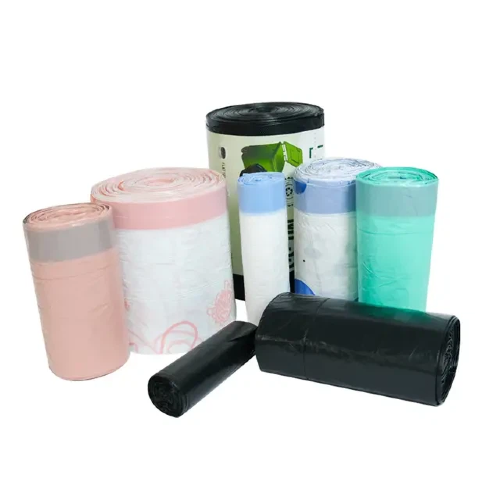
One of the primary benefits of recycle bags is their role in reducing plastic waste. Unlike single-use plastic bags that take hundreds of years to decompose, recycle bags are made from materials that are designed to be reused or easily recycled, helping to cut down on plastic pollution.
Recycle bags support the concept of a circular economy, where materials are continuously reused and recycled, reducing the need for new resources. This helps minimize the environmental impact of production and consumption, aligning with sustainable development goals.
Companies that use recycle bags in their packaging often achieve green certifications, such as ISO 14001 or BRCGS. These certifications demonstrate a commitment to sustainability and environmental responsibility, which can enhance a brand’s reputation and marketability.
When selecting recycle bags for your business, it’s important to consider the following factors:
Factor | Consideration |
Size and Dimensions | Choose a size that suits your products or goods. Ensure it can hold the necessary weight. |
Material Strength | Consider how durable the material needs to be, especially if it will carry heavy or bulky items. |
Customizability | Decide if you want to print your brand logo, message, or custom design on the bag. |
Sustainability | Look for materials that are biodegradable or made from recycled content to align with your environmental goals. |
While it’s important to stay within budget, don’t compromise on the quality of your recycle bags. The strength, durability, and eco-friendly features of the bag are crucial for both your brand’s image and environmental impact.
Custom recycle bags offer numerous advantages for businesses looking to promote their eco-friendly image:
Brand Visibility: Printed logos and designs on recycle bags create marketing opportunities as consumers carry these bags around.
Unique to Your Brand: Custom designs allow businesses to create a unique look that aligns with their brand’s personality.
Targeted Marketing: Custom recycle bags are great for specific promotions or campaigns, such as events or product launches.
In conclusion, recycle bags are an essential component of a sustainable future. They not only help reduce plastic waste but also provide businesses and consumers with a practical, eco-friendly solution for packaging and carrying goods. By choosing the right material and application for your needs, you can make a significant impact on the environment while promoting your brand’s commitment to sustainability.
If you're looking to implement recycle bags in your business, visit Zhucheng Qingyuan Packaging Co., Ltd for high-quality, customizable options that meet your specific needs. Whether you’re in retail, logistics, or any other industry, Qingyuan Packaging offers durable and eco-friendly recycle bags that can help your business contribute to a greener, more sustainable world.
Q1: What is the difference between a recycle bag and a regular plastic bag?
A: A recycle bag is made from materials that are recyclable or biodegradable, designed for multiple uses. Regular plastic bags are typically single-use and take longer to decompose, contributing to environmental pollution.
Q2: How durable are recycle bags?
A: Recycle bags are highly durable and can carry heavier items than regular plastic bags. Depending on the material, some recycle bags can hold up to 10 times more weight than standard plastic bags.
Q3: Can I order custom recycle bags?
A: Yes, you can order custom recycle bags with your company logo, branding, and specific size requirements. Qingyuan Packaging offers a wide range of customization options to suit your needs.
Q4: How can recycle bags help my business reduce its carbon footprint?
A: By switching to recycle bags, your business reduces the need for single-use plastic bags, lowers plastic waste, and supports sustainability. Additionally, recycle bags can be made from recycled materials, reducing the demand for virgin plastic.
Q5: How do I recycle my recycle bags after use?
A: Recycle bags made from materials like PE, PET, and rPET can be taken to a recycling facility where they will be processed and reused in new products, minimizing waste.


