
English 
Landline: +86-536-6066059
Email: qingyuanpackaging@gmail.com
Dawazi Village, High-tech Industrial Zone, Zhucheng City, 262200, Shandong Province, China


Views: Author: Site Editor Publish Time: 2026-06-16 Origin: Site


Walking down the frozen aisle reveals a highly competitive retail landscape. Brands fight constantly to capture consumer attention. Beneath these vibrant graphics lies a harsh, unforgiving physical environment. Sub-zero temperatures relentlessly test the limits of every material on the shelf. Standard packaging consistently fails in these freezing conditions. Ordinary plastics crack under pressure. This operational failure leads to severe freezer burn, compromised seal integrity, and brand-damaging product spoilage.
We define a Frozen Food Packaging Bag technically as a specialized, multi-layered flexible container. Packaging engineers specifically design it to withstand extreme cold-chain logistics. It survives freezing environments without shattering or losing critical barrier properties. Selecting the wrong material does not just impact shelf appeal. It directly dictates shelf life, return rates, and supply chain viability.
This comprehensive guide explores the physics of cold-chain storage. You will learn about precise material architecture and structural pouch formats. We will also outline a definitive procurement framework. This knowledge helps you protect your product and streamline your manufacturing operations.
Standard plastics become brittle and shatter at sub-zero temperatures; frozen food packaging bags require specific polymer blends (like PE and Nylon) to maintain elasticity.
Preventing freezer burn requires high-barrier, multi-layer laminated films to block oxygen and moisture transfer.
Stand-up pouches and custom lay-flat bags are replacing traditional rigid cartons due to lower freight costs and better freezer-space efficiency.
Procurement decisions must factor in functional closures (press-to-close zippers that work when frozen) and compatibility with automated filling lines.
Cold-chain logistics present unique physical challenges. Freezers act as extreme stress tests for flexible materials. Understanding these environmental stressors helps brands avoid catastrophic packaging failures.
Ordinary polymers lose their kinetic energy in commercial freezers. They lose flexibility rapidly as temperatures drop below freezing. Standard plastics turn highly brittle. They effectively transform into fragile glass-like structures. Even minor impacts cause them to shatter during transit or handling. Packaging engineers call this structural failure "cold-cracking." Dropping a standard polybag at -18°C (0°F) often results in immediate micro-fractures. These invisible cracks compromise food safety instantly.
Freezer burn destroys product quality and ruins consumer trust. It occurs due to moisture migration and oxygen ingress. Sublimation causes ice crystals inside the food to turn directly into vapor. This process severely ruins food texture and flavor. Meats become tough and discolored. Vegetables lose their crispness and nutritional value. An effective flexible pouch must act as an absolute barrier against sublimation. It traps natural moisture inside while blocking harsh, dry freezer air from entering.
Packaging faces threats from the inside out. Frozen foods become incredibly sharp objects. Jagged ice crystals form on product surfaces. Bone-in meats, crab legs, or frozen pastas act like internal daggers. Ordinary films puncture easily under this internal pressure. The packaging must resist outward punctures just as effectively as inward external damage. High-puncture resistance keeps the hermetic seal intact during bumpy truck transports.
Designing a freezer-safe pouch requires precise chemical engineering. A single layer of plastic cannot perform every required function.
No single material performs all required tasks flawlessly. Effective freezer packaging relies on a sophisticated laminated structure. Manufacturers bond multiple distinct polymer layers together. Each layer serves a highly specialized protective function. This composite architecture delivers printability, structural strength, and extreme thermal resilience simultaneously.
The exterior layer usually consists of PET (Polyethylene Terephthalate). PET provides excellent structural stability. It resists stretching and warping on automated filling lines. Furthermore, PET offers superior printability. It holds vibrant, high-definition graphics beautifully. This glossy or matte finish protects the underlying printed ink from scuffing during transit.
The core layer does the heavy lifting for barrier protection. Manufacturers often use BOPA (Biaxially Oriented Polyamide), commonly known as Nylon. Nylon provides exceptional puncture resistance against sharp frozen contents. For highly sensitive products, manufacturers incorporate metallic foils or EVOH (Ethylene Vinyl Alcohol). These additions create an impenetrable oxygen barrier. They drastically extend the product shelf life.
The innermost layer directly contacts your food. It consists of specialized LLDPE (Linear Low-Density Polyethylene). Chemists formulate this specific resin for low-temperature elasticity. It remains pliable even in deep-freeze conditions. More importantly, LLDPE melts uniformly to create a hermetic heat seal. This reliable seal prevents moisture from escaping the pouch.
The flexible packaging industry faces growing environmental pressure. Recyclable mono-material PE pouches are emerging rapidly. They offer a more sustainable end-of-life disposal path. However, brands face strict industry realities. Mono-materials often require performance trade-offs in extreme cold. They sometimes lack the ultimate puncture resistance found in traditional multi-layer films. Brands must test mono-material structures rigorously before full-scale deployment.
Standard Multi-Layer Material Architecture | |||
Layer Position | Common Material | Primary Function | Key Benefit |
|---|---|---|---|
Outer Layer | PET (Polyethylene Terephthalate) | Print surface & external protection | Vibrant graphics, scuff resistance |
Middle Layer | Nylon (BOPA) / EVOH / Foil | Structural strength & barrier | Puncture resistance, oxygen blocking |
Inner Layer | Freezer-Grade LLDPE | Food contact & heat sealing | Cold-crack prevention, hermetic sealing |
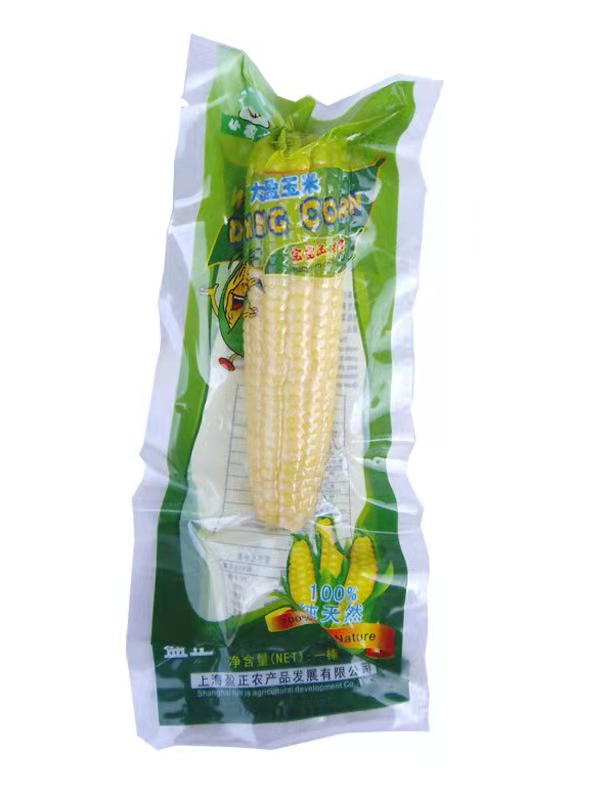
Choosing the correct structural format influences both manufacturing speed and retail success. You must balance retail presentation goals with logistical efficiency.
Stand-up pouches dominate retail freezers today. They feature a distinct bottom-gusset design. This geometry allows the bag to stand vertically on freezer shelves. It maximizes billboard space for your brand graphics. Stand-up pouches offer significant advantages over traditional rigid cartons. They drastically reduce source material usage. They also eliminate the need for an inner plastic liner, streamlining the consumer experience.
Lay-flat pouches provide a highly economical alternative. They work perfectly for bulk items and high-volume automated lines. Facilities processing IQF (Individually Quick Frozen) foods rely heavily on pillow bags. They suit cost-sensitive products like frozen peas, mixed vegetables, or bulk french fries. While they lack vertical retail presence, they stack efficiently inside shipping cases.
Procurement teams must choose between purchasing pre-made bags or continuous rollstock film. Pre-made bags suit smaller operations, startups, or co-packers. They require less complex filling machinery. In contrast, rollstock film remains essential for high-speed automated facilities. Machinery uses Form-Fill-Seal (FFS) technology to shape, fill, and seal the bag in one continuous motion. Rollstock significantly lowers the per-unit material cost for massive production runs.
Structural Format Comparison Chart | |||
Format Category | Best Suited For | Retail Shelf Impact | Logistical Efficiency |
|---|---|---|---|
Stand-Up Pouches | Premium foods, multi-serve meals, berries | High (stands upright, large branding area) | Moderate (requires specific packing configurations) |
Lay-Flat Pouches | Bulk vegetables, commodity goods, IQF items | Low (must be stacked or hung on pegs) | High (easy to pack tightly into master cartons) |
Rollstock Film | Mass-scale production, high-speed lines | Depends on final formed shape | Very High (ships flat on dense rolls) |
Sourcing reliable materials requires strict supplier evaluation. You must mitigate implementation risks before signing a purchase order. Treat this checklist as your foundational quality assurance framework.
Always ask suppliers for certified cold-seal data. Food Packaging fails most frequently at the seams. Weak seals will pop open under pressure. Frozen air inside the pouch expands during high-altitude transport. If the inner LLDPE layer lacks proper formulation, the heat seal weakens in the freezer. Requesting burst-test results ensures your product survives aggressive supply chain handling.
Consumer convenience heavily drives repeat purchases. Evaluate zippers and tear notches carefully. Standard zippers fail in the freezer aisle. They freeze shut, warp, or snap completely when consumers try to open them. You must require specialized freezer-grade press-to-close zippers. Slider zippers also provide excellent usability for multi-serve frozen items. Ensure the tear notches feature laser scoring for clean, easy opening.
Do not rely on room-temperature performance data. Standardize your requirement for sub-zero drop testing. A common industry standard involves dropping a fully loaded bag from a specified height. Testers usually conduct this drop at -18°C (0°F). They drop the pouch onto a hard surface from varying angles. This rigorous testing highlights invisible weak points in the lamination or the bottom gusset.
Regulatory compliance remains non-negotiable. Ensure all internal materials meet strict local guidelines. They must comply with FDA, CFIA, or EFSA regulations for direct food contact. The materials must remain chemically stable during extreme temperature fluctuations. Adhesives used in lamination must not leach chemicals into the food when the consumer eventually microwaves or boils the pouch.
Request Burst Strength Data: Ensures seals withstand altitude changes during shipping.
Verify Zipper Functionality: Test press-to-close tracks specifically at -18°C.
Demand Drop Test Reports: Confirm the bag survives a 3-foot drop when completely frozen.
Audit Compliance Certificates: Obtain letters of guarantee for FDA/EFSA food contact safety.
Transitioning from concept to conversion requires a clear roadmap. Follow these structured steps to specify your requirements accurately. This logic prevents costly manufacturing delays.
Your processing environment dictates the film adhesive requirements. Do you fill the product hot and then flash-freeze it? Or do you fill already-frozen IQF goods into the pouch? Hot-filling followed by rapid freezing creates immense thermal shock. This sudden temperature drop stresses the laminated layers. You must inform your supplier about your exact filling temperatures. They will select appropriate thermal-resistant adhesives to prevent delamination.
Frozen products change volume dynamically. You must account for physical expansion. Water-dense foods expand up to 9% when frozen solid. If you size the pouch too tightly based on thawed dimensions, the freezing process will rip the seams apart. Packaging dimensions must accommodate this volume shift safely. Work with a packaging engineer to calculate the necessary headspace. This extra room prevents unnecessary stress on the seals.
Understand how printing technology impacts your supply chain. Digital printing allows for significantly lower Minimum Order Quantities (MOQs). It easily accommodates multiple SKUs in a single run. This flexibility makes digital printing perfect for market testing or seasonal product launches. Alternatively, traditional rotogravure or flexographic plate printing scales better for mass production. Plate printing requires higher MOQs but dramatically lowers your per-unit cost over time.
Document Fill Temperatures: Map the exact thermal journey of your product from the filler to the freezer.
Calculate Expansion Headspace: Add appropriate volume allowances for water-dense food expansion.
Select Printing Technology: Choose digital for low-MOQ agility or plate printing for high-volume cost efficiency.
Request Material Samples: Run physical tests on your actual production line before committing to a full order.
Choosing a freezer-safe pouch represents a strict engineering decision. It goes far beyond a simple branding or marketing exercise. Sub-zero temperatures ruthlessly expose any weakness in flexible films. You must prioritize structural integrity over aesthetics alone.
Investing in appropriate multi-layer barriers prevents costly spoilage. Specialized nylon and freezer-grade PE layers stop cold-cracking and eliminate freezer burn entirely. This technical investment directly protects your product quality and safeguards your overall brand reputation.
We encourage you to take immediate action. Request physical material samples from potential suppliers. Review their sub-zero drop-test data thoroughly. Finally, consult with a qualified packaging engineer to audit your current cold-chain specifications. Upgrading your materials today prevents catastrophic product losses tomorrow.
A: No. Standard plastic bags fail completely in freezers. They suffer from cold-cracking, where the plastic becomes brittle and shatters upon impact. Furthermore, they lack the necessary oxygen and moisture barriers. This inevitably causes rapid freezer burn, loss of seal integrity, and severe product loss.
A: The most effective solution uses a laminated composite structure. An ideal pouch features PET for the exterior printability, BOPA (Nylon) in the middle for extreme puncture resistance, and a specialized freezer-grade LLDPE inner sealant layer to maintain low-temperature elasticity.
A: Traditional multi-layer pouches remain difficult to recycle due to mixed plastic resins. However, newer mono-material PE structures are actively entering the market to solve this. Brands must test these recyclable options carefully to ensure they meet cold-chain durability requirements.
A: You prevent freezer burn by utilizing high-barrier materials. These specialized layers eliminate oxygen transfer completely. Additionally, you must ensure a strong, hermetic heat seal. This airtight environment prevents internal moisture sublimation, preserving your food's texture and flavor.


