


Views: Author: Site Editor Publish Time: 2026-03-02 Origin: Site


When people buy Garbage Bags, they usually care about one thing most: will it rip when I lift it out of the bin? A torn bag creates leaks, odors, messy cleanup, and wasted time—especially in kitchens, offices, and commercial environments where trash loads can be heavy, wet, or sharp. The good news is that a garbage bag can be highly tear-resistant when it’s engineered with the right material, thickness, bottom design, and sealing quality. Below is a practical guide to what “tear-resistant” really means, what causes failures, and how to choose the best bag for your needs.
“Tear-resistant” is often used as a catch-all phrase, but strong Garbage Bags must handle three different stresses. Tear resistance is the ability to stop a small cut or nick from spreading into a long rip. Puncture resistance is the ability to resist being pierced by sharp items like bones, cans, broken packaging, or yard waste. Stretch strength (tensile/elongation performance) describes how well the film holds up when the bag is pulled, lifted, or overloaded. A truly reliable garbage bag balances all three: a bag that stretches well but punctures easily can still fail, while a stiff bag with high puncture resistance may split if it can’t flex under load.
Most garbage bag failures happen at predictable locations. Side seams and bottom seals are common weak points if heat sealing is inconsistent or the seal width is too narrow. Gussets can tear where the film folds repeatedly, especially if the bag is overfilled and the folds become high-stress “hinges.” Drawstring bags can fail around the rim or channel area if the reinforcement is insufficient, since lifting concentrates stress at the top. High tear-resistance is often less about “strong plastic” and more about strengthening these high-stress zones.
Different resins create different performance profiles in Garbage Bags. HDPE is lightweight and cost-efficient, with good tensile strength, but it can be noisier and less puncture-tough in very thin gauges. LDPE is softer and more flexible, offering good puncture resistance but often requiring more thickness for heavy loads. LLDPE (linear low-density polyethylene) is widely used for “tough” trash bags because it provides excellent stretch and tear resistance, helping the film absorb shock without ripping. Many tear-resistant garbage bags use blends—often LLDPE-focused—to achieve toughness without excessive thickness.
Recycled-content Garbage Bags can still be tear-resistant when the recycled resin is well-sorted, clean, and processed with stable extrusion control. Strength depends on consistent film gauge and formulation. Poor-quality recycled inputs can introduce contamination or inconsistency that increases tear risk, especially at thin thicknesses. For buyers seeking sustainability, the practical approach is to request performance specs and sampling tests rather than assuming recycled content automatically reduces strength.
Thickness (often described in microns or “gauge”) is a major factor in tear resistance, but the right choice depends on what goes into the bag. Kitchen waste is often wet and heavy, requiring good stretch and seal integrity to prevent leaks. Office waste is typically light, so thinner bags may work well if puncture risks are low. Yard waste can include sticks and sharp stems, increasing puncture and tear propagation risk, while construction or renovation waste may contain sharp debris that demands heavy-duty films and reinforced designs. Choosing thickness should be based on weight, moisture, and sharp-object exposure—otherwise you either overpay or suffer failures.
Thicker is not always better. Overbuilt bags can increase cost and material usage without improving real-world performance if the bag design or seals are weak. A well-designed, properly formulated bag with strong sealing can outperform a thicker bag with poor process control. The best strategy is “right-sizing”: match thickness and material blend to the actual load, then validate with sample trials in real bins and handling routines.
Bottom construction greatly affects how Garbage Bags handle stress. Star-seal bottoms distribute weight more evenly, reduce leak paths, and often perform better when trash shifts during lifting. Flat-bottom bags can work in certain applications, but they may create more stress concentration at corners or along a single seal line. For heavier or wetter trash, star-seal designs are commonly preferred because they reduce the chance of bottom splitting and improve durability when the bag is pulled from the bin.
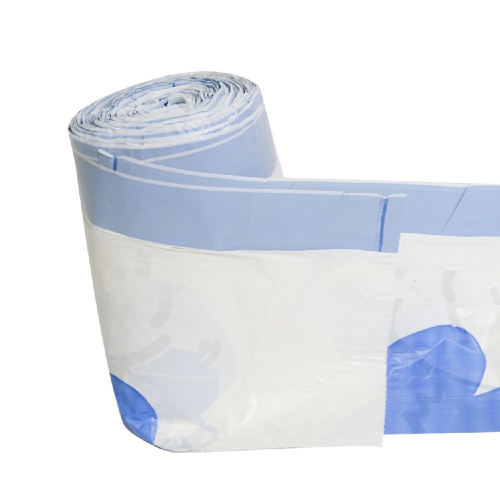
Side gussets provide extra capacity and help the bag conform to bin shape, but they must be designed to avoid weak fold lines that tear under load. Drawstring designs can add convenience and improve lifting control, yet the rim area needs reinforcement so the channel doesn’t tear when the bag is cinched and carried. Reinforced rims, thicker top zones, and strong weld consistency are key features that increase tear-resistance in daily use.
Many bag failures come from user behavior rather than material alone. Sharp objects like bones, broken plastic, or can edges create punctures that quickly become tears during lifting. Wet trash adds weight and shifts inside the bag, increasing stress at the bottom and side folds. Overfilling is one of the biggest causes of tearing because it stretches the film beyond its designed load and concentrates pressure at the rim when you try to lift it out. A tear-resistant bag helps, but good loading practices reduce failures dramatically.
Storage conditions also matter. Excessive heat can soften film and weaken seals over time, while extreme cold can make some films stiffer and more likely to split if impacted. UV exposure (for bags stored outdoors) can degrade plastic and reduce toughness. If bags are used in outdoor bins or in seasonal temperature swings, selecting UV-resistant or tougher film blends can make a noticeable difference in tear performance.
Manufacturers evaluate Garbage Bags using lab methods that simulate real stresses. Dart drop testing checks impact resistance, tear propagation testing measures how a small cut spreads under force, and tensile tests evaluate stretching and breaking strength. While buyers don’t always need to know the test names, the key is that a tear-resistant claim should be backed by measurable performance, not just marketing language.
Quality control is what turns a good design into consistent results. Film gauge consistency prevents thin weak spots that rip easily, and sealing control prevents seam failures. Random sampling, seal-strength checks, and visual inspection for defects help ensure that each production batch performs like the approved sample—especially important for retailers, distributors, and large-volume users.
For household kitchens, prioritize LLDPE-rich blends, strong seals, and leak-resistant bottom design. For offices, choose a bag sized to the bin to prevent overfilling, with sufficient toughness for occasional sharp items. Commercial or janitorial use often requires thicker, tougher bags for frequent handling and heavy loads. Heavy-duty applications like yard waste or light construction debris should focus on puncture resistance, reinforced bottoms, and proven tear performance through sampling.
Customization helps match the bag to workflow needs. Common options include custom sizes, colors for waste sorting, printed branding or instructions, scented versions for odor control, and extra-strong structures for demanding loads. For large orders, sampling is essential—test the bag with your real trash type, bin size, and carrying routine before finalizing specifications.
Not necessarily. Scent is typically added through a fragrance component and doesn’t automatically reduce strength. Tear performance depends far more on film resin blend, thickness, and seal integrity.
Drawstring bags can feel stronger because lifting is more controlled, but strength depends on rim reinforcement and seal quality. A well-made flap-tie bag can also be very durable when the film and seals are properly engineered.
Choose a bag that fits the bin with extra height for tying and enough width to avoid extreme stretching. A bag that’s too small forces overfilling and increases tear risk during removal.
Yes. Many tear-resistant designs can be produced with recyclable-oriented PE structures, depending on performance requirements. The best approach is to validate tear and puncture performance with samples in your real use conditions.
Tear-resistance in Garbage Bags is not a single feature—it’s the result of the right material blend, proper thickness, strong sealing quality, and smart structural design working together. When the bag is engineered to balance tear, puncture, and stretch performance, it can handle heavy, wet, or irregular waste far more reliably without splitting at seams, gussets, or the rim. For best results, match the bag to your trash type and bin size, avoid overfilling and sharp-edge exposure when possible, and choose products that are validated through consistent quality control and real-use testing. With the right selection, a tear-resistant garbage bag reduces leaks, improves hygiene, and saves time and cost in both household and commercial environments.


