
English 
Landline: +86-536-6066059
Email: qingyuanpackaging@gmail.com
Dawazi Village, High-tech Industrial Zone, Zhucheng City, 262200, Shandong Province, China


Views: Author: Site Editor Publish Time: 2026-08-17 Origin: Site


Historically, plain plastic packaging served a purely functional purpose. Companies viewed them simply as basic protective barriers against dust and moisture. Today, these standard items have evolved significantly. They now function as strategic brand and operational assets. Upgrading to printed low-density polyethylene packaging requires balancing initial tooling costs against lasting operational rewards. You must weigh upfront plate charges against enhanced brand visibility. You also gain stricter regulatory compliance and streamlined warehouse handling. This article provides technical buyers and brand managers with a realistic evaluation framework. We will examine technical limitations, return-on-investment drivers, and essential sourcing criteria. You will discover practical ways to eliminate secondary labeling altogether. By understanding these variables, you can confidently navigate the prepress process and avoid common manufacturing pitfalls.
Printing directly on LDPE eliminates the labor and material costs of secondary labeling while improving professional presentation.
Technical viability depends heavily on surface preparation (Corona treatment) and selecting the right print method (Flexographic vs. Digital) for your volume.
Evaluating a packaging partner requires scrutinizing their ink adhesion testing, registration tolerances, and minimum order quantity (MOQ) structures.
Small or die-cut packaging presents specific edge-bleed and design constraints that must be accounted for during the prepress phase.
Switching from blank commodity film to customized packaging presents a strong business case. It transforms a simple shipping vessel into a multi-functional tool. We evaluate this transformation across three core business areas: branding, operations, and compliance.
Consumers consistently judge product quality by its outer layer. You can replace blank commodity materials with beautifully branded packaging. This strategy elevates the perceived value of your goods instantly. Custom printing allows you to deliver a premium unboxing experience. You achieve this without migrating to expensive rigid containers or custom cardboard boxes. Bold logos, crisp typography, and brand colors create immediate recognition. When retail buyers or end-users handle printed LDPE bags, they perceive a higher level of professionalism. This tactile and visual connection builds lasting brand loyalty.
Think carefully about your current warehouse workflows. Many companies rely heavily on manual or automated sticker applications. Manual labeling drains valuable labor hours and introduces human error. Automated labeling systems require constant maintenance, expensive backing paper, and frequent roll changes. Direct printing eliminates this entirely. You can print barcodes, batch data, and company logos directly on the film during extrusion. This cost analysis heavily favors direct printing over time. Eliminating the physical label purchasing process reduces your procurement complexity. It also speeds up your internal fulfillment lines dramatically.
Safety warnings are absolutely non-negotiable in modern commerce. Regulators strictly enforce rules regarding child safety and material identification. Direct printing secures mandatory text permanently onto the plastic substrate.
Suffocation Warnings: You can embed permanent hazard text directly into the design, ensuring it never peels off in transit.
Recycling Codes: Displaying the standard Resin Identification Code (like #4 for LDPE) guides consumers accurately.
Usage Instructions: Print visual diagrams or multi-lingual handling instructions directly on the exterior.
Adhesive labels frequently peel, wrinkle, or fall off during extreme temperature changes. This introduces serious compliance risks. Direct printing mitigates this danger completely, keeping your business compliant and your customers safe.
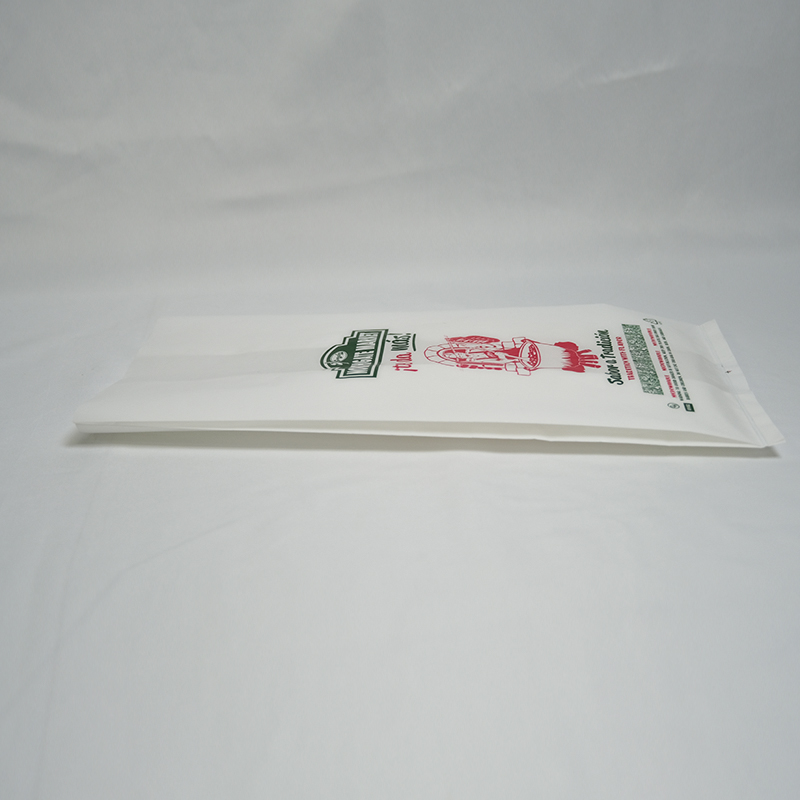
Printing on flexible plastic requires specific chemical and mechanical conditions. Unlike paper, plastic is non-porous. You cannot simply apply ink and expect it to absorb. We must manage surface energy, select the correct machinery, and formulate safe inks.
Untreated polyethylene naturally repels liquids. Its native surface energy hovers around 31 dynes per centimeter. Most industrial inks require a surface energy of at least 38 to 40 dynes to adhere properly. Without intervention, ink simply beads up and wipes off. Manufacturers solve this using a process called Corona treatment. This process passes the raw plastic film under a high-voltage electrical discharge. The electrical arc oxidizes the film's surface temporarily. This modification creates microscopic anchor points. It ensures permanent ink adhesion and prevents flaking during transit. You must always confirm your vendor applies adequate Corona treatment before printing.
Selecting the right production method dictates your overall costs and design limits. The industry primarily relies on two distinct printing technologies.
Print Method Comparison
Feature | Flexographic Printing | Digital Printing |
|---|---|---|
Ideal Run Size | High volume (long runs) | Low to medium volume (short runs) |
Setup Costs | High (requires custom photopolymer plates) | Zero (no plates required) |
Per-Unit Cost | Very low at scale | Higher, but flat across volumes |
Variable Data | Difficult and costly to change data | Excellent for unique barcodes or lot numbers |
Color Strengths | Perfect for solid, opaque Pantone colors | Great for complex photographic gradients |
Flexographic printing remains the absolute industry standard for long runs. It utilizes flexible photopolymer plates wrapped around rotating cylinders. The initial plate costs can be significant. However, flexo delivers the lowest per-unit cost at scale. It works best for solid colors, brand logos, and simple vector designs. Digital printing operates much like a massive inkjet printer. It requires zero plates, making it ideal for short runs or variable data. The per-unit economics are higher, but it excels at complex, multi-color photographic runs.
Ink chemistry matters immensely. You must specify the correct ink based on your product's end-use environment. Solvent-based inks offer incredible durability and fast drying times. Water-based inks provide a more environmentally friendly footprint with lower volatile organic compounds (VOCs). If your packaging touches edible goods, strict rules apply. You must mandate FDA-compliant, food-grade inks for direct food contact. These low-migration inks guarantee harmful chemicals never leach through the film into the food product. Always communicate your exact end-use scenario to your printing partner.
Designing artwork for flexible film is drastically different than designing for rigid paperboard. Plastic behaves uniquely under mechanical stress. You must anticipate these behaviors during the early prepress stages to ensure a flawless final product.
Polyethylene is inherently stretchy. As machinery pulls the web of plastic through a press, the material flexes. This stretch affects tight color registration significantly. When printing multiple colors side-by-side, minor shifting occurs. To counter this, prepress designers use a technique called "trapping." Trapping creates microscopic overlaps between adjacent colors. If the film stretches slightly, the overlap hides the unprinted background. Without trapping, you will see ugly, unintentional white gaps outlining your artwork. You must ask your vendor about their specific registration tolerances before finalizing files.
Small or custom-shaped packaging presents specific manufacturing hurdles. The heat-sealing process melts two layers of plastic together. If heavy ink coverage extends into the sealing zone, problems arise. Ink acts as a physical contaminant between the polymer layers. It prevents the plastic from fusing completely. This often leads to catastrophic seal failures and product leaks. To avoid this, keep heavy graphics and solid ink blocks away from the edges. Leave a clean, unprinted margin around all heat-seal seams.
Many designers want their artwork to bleed off the edges entirely. While continuous full bleeds are possible, they require specific tooling. Standard manufacturing equipment relies on optical sensors to cut and seal the bags accurately. These sensors must read distinct, unprinted margins or specific dark rectangles called "eye-marks."
Confirm if your bag-making machine requires an eye-mark.
Determine the exact size and placement requirements for the sensor block.
Adjust your artwork to accommodate unprinted tracking lanes if necessary.
If you absolutely require an edge-to-edge design, you must invest in continuous-print cylinders. This setup eliminates the visible seam break but carries higher initial tooling fees.
Printing is not solely for retail marketing. Industrial environments benefit massively from functional, strategic printing. Upgrading standard inner linings transforms warehouse logistics and inventory management.
Industrial manufacturers often stock dozens of different bags for various product lines. This SKU proliferation ties up capital and consumes warehouse space. You can consolidate this inventory cleverly. Print a generic master design on bulk plastic liners. Include large writable blocks or universally printed check boxes. Warehouse operators simply use a marker to check the relevant product name or write the current date. One universally printed master item can easily serve ten different product lines. This strategy drastically reduces your purchasing complexity and storage requirements.
Modern supply chains demand total visibility. Recalls and quality audits happen frequently. You can integrate vital tracking data directly onto the film. Print permanent lot numbers, manufacturing dates, and internal routing instructions on the exterior. Add scannable QR codes to bridge the physical package with your digital inventory software. This functional printing streamlines warehouse management. Workers scan the liner directly rather than hunting for a small, easily damaged paper sticker.
Industrial films often contain unique chemical additives. For example, electronics manufacturers use anti-static agents. Outdoor agricultural brands use UV-inhibitors to block sunlight. These chemical additives slowly migrate to the film's surface over time. This migration can interfere with ink adhesion. You must ensure your chosen printing process does not degrade the performance of specialized films. Conduct rigorous compatibility tests. Your vendor must formulate the ink specifically to bind aggressively, even when slip agents or anti-static compounds bloom to the surface.
Your success depends entirely on choosing a competent manufacturing partner. Not all extruders possess high-quality printing capabilities. You must scrutinize their technical standards before committing financial resources.
Ask prospective vendors specific questions about their quality control methods. They should routinely perform ink adhesion tests following strict ASTM standards. The classic "tape test" checks if the ink pulls away from the film under pressure. You must also evaluate their color-matching skills. Pantone accuracy is notoriously tricky on transparent substrates. Colors often appear washed out without a solid background. A premium printer will apply a layer of opaque white ink behind your logo. This "white bump" ensures your brand colors look vibrant and accurate, regardless of the package contents.
Minimum order quantities (MOQs) confuse many first-time buyers. You need to understand how manufacturers calculate these minimums. They base MOQs on two primary factors: film extrusion requirements and press setup times. A blown film line requires a massive amount of raw resin just to start running stably. Similarly, mounting flexographic plates takes hours of labor. Vendors amortize these setup costs across the total unit count. Understanding this math helps you negotiate better tiered pricing. Often, increasing your order slightly drops the per-unit cost dramatically.
Never skip the physical proofing stage. Digital PDFs look very different from real-world printed plastic. Request physical drawdown proofs from the actual ink room. A drawdown applies a smear of the custom-mixed ink onto your specific material. It shows exactly how the color interacts with the film. For complex projects, order printed roll-stock samples before full production begins. You must test ink durability, color accuracy, and seal strength in your actual facility. This prototyping phase saves you from costly mass-production errors.
Transitioning from blank films to custom printed polyethylene is a powerful business move. It replaces inefficient manual labeling with a streamlined, permanent solution. To maximize your investment, keep these final thoughts in mind:
Audit current costs: Calculate the true expense of your existing labels, including labor, backing paper waste, and machine downtime.
Manage surface science: Always verify your vendor utilizes proper Corona treatment to guarantee aggressive ink adhesion.
Design for the material: Accommodate material stretch with trapping, and keep heavy ink away from crucial heat-seal zones.
Demand physical proofs: Never approve a major run based solely on a computer monitor. Always evaluate physical ink drawdowns on your actual substrate.
When you manage these technical constraints proactively, printing on flexible packaging delivers an exceptionally high return on investment. Contact a vetted vendor today, request a prepress template, and begin testing printed samples in your actual warehouse environment.
A: Standard water-based or solvent-based inks generally do not prevent standard packaging from being recycled. LDPE retains its Resin Code #4 status. However, extremely heavy ink coverage can tint the color of the final recycled resin pellets, occasionally reducing their value for secondary manufacturers.
A: Minimums vary widely based on the manufacturing method. For flexographic printing, MOQs typically range from 5,000 to 10,000 units, depending on the bag's physical dimensions. Digital print setups can sometimes accommodate lower volumes, though per-unit costs will be higher.
A: Yes, you can print photographic images. However, flexible film has line-screen limitations. Photographic prints require high-end CMYK process printing. You will need advanced digital presses or high-definition flexographic plates, along with very precise material tension control to prevent blurry images.
A: Ink flaking usually stems from three common failures. The manufacturer likely skipped or poorly executed the Corona surface treatment during extrusion. Alternatively, they may have used an incompatible ink chemistry for the film type, or they did not allow sufficient curing time before winding the rolls.


