
English 
Landline: +86-536-6066059
Email: qingyuanpackaging@gmail.com
Dawazi Village, High-tech Industrial Zone, Zhucheng City, 262200, Shandong Province, China


Views: Author: Site Editor Publish Time: 2025-11-27 Origin: Site


Garbage bags are an essential part of waste management in every household, business, and industrial setting. They come in various sizes, colors, and materials, each designed for different types of waste. Wet waste, including food scraps, kitchen waste, and other moisture-laden refuse, presents unique challenges for garbage bags. This article will explore whether garbage bags can effectively hold wet waste, what features to look for, and how to select the right bags for managing wet refuse.
Wet waste refers to refuse that has a high moisture content. This includes food scraps, vegetable peelings, leftover food, and organic waste, which tend to break down faster than dry waste. Wet waste can also include liquids or waste that has absorbed liquid, such as used paper towels or tissues.
Wet waste is typically heavier than dry waste due to its moisture content. It is more prone to causing odor and attracting pests, making it essential to use the right packaging to manage it properly. In addition, the moisture content of wet waste can lead to leaks, and if the waste is not contained properly, it can result in unsanitary conditions.
The strength of a garbage bag plays a crucial role in determining whether it can hold wet waste effectively. Ordinary garbage bags made from thinner materials may not be able to withstand the weight and moisture of wet refuse, leading to tears or leaks.
Key Factors for Strength:
Material Quality: Garbage bags made from thicker, stronger materials such as high-density polyethylene (HDPE) or linear low-density polyethylene (LLDPE) are more capable of holding wet waste.
Thickness: The thicker the bag, the more resistant it will be to punctures and tears caused by sharp waste items or the weight of wet garbage.
When selecting a garbage bag for wet waste, it's essential to consider features that enhance its ability to contain moisture and prevent leaks. Here are some important features that make a garbage bag suitable for wet refuse:
Feature | Description | Benefits for Wet Waste |
Leak-Proof Design | Garbage bags with special seals, closures, or extra coatings to prevent leakage. | Prevents liquid from seeping through, especially with wet food scraps. |
Heavy Duty Materials | Bags made from thicker HDPE or LLDPE, which are less likely to tear. | Can hold the weight of wet waste without breaking or tearing. |
Moisture Barrier | Some bags are designed with moisture-resistant coatings or multi-layer constructions. | Keeps moisture inside the bag and prevents leaks from external factors. |
Tear Resistance | Bags reinforced for better puncture resistance. | Ensures that sharp waste like bones or packaging won’t tear the bag. |
Standard garbage bags are not specifically designed to handle wet waste. While they might suffice for small amounts of food scraps or non-liquid waste, they may not be durable enough for large quantities of wet refuse. When wet waste is left in these bags for too long, the moisture can seep through and cause leaks, leading to messes or unpleasant odors.
However, some premium garbage bags, even if not explicitly labeled for wet waste, may still perform adequately if they are made from high-quality, thick materials. If you're handling small amounts of wet waste occasionally, these regular bags could be sufficient, but for larger quantities, it's essential to choose bags designed for wet refuse.
Heavy-duty garbage bags are specifically engineered for challenging waste, such as wet refuse. These bags are thicker, often made of high-density polyethylene (HDPE) or linear low-density polyethylene (LLDPE), and are designed to hold both wet and dry waste without breaking or leaking.
Key Benefits of Heavy Duty Garbage Bags:
Durability: They can hold heavy, wet waste without tearing, making them ideal for food scraps and kitchen refuse.
Leak-Proof: These bags often feature stronger seals or coatings to prevent leakage, which is crucial for wet waste.
Versatility: Can be used for both wet and dry waste, making them a good option for general garbage disposal.
Eco-friendly garbage bags are made from biodegradable materials, including compostable plastics, starch-based polymers, or recycled polyethylene. These bags are designed to break down over time, reducing the environmental impact. They are also strong enough to hold wet waste, while still being better for the environment compared to traditional plastic bags.
Benefits of Eco-Friendly Garbage Bags for Wet Waste:
Environmentally Friendly: Breaks down faster than conventional plastic, reducing landfill impact.
Suitable for Wet Waste: Many biodegradable bags are designed to be leak-resistant and can handle wet refuse.
Compostable Options: Some bags are compostable, which is an excellent choice for organic waste like food scraps.
These bags are specifically designed with extra features to prevent liquids from seeping through. They often have enhanced seals, thicker materials, and specialized coatings that make them ideal for wet waste, such as food scraps, liquids, and wet paper towels.
Features to Look For:
Double-Sealed Edges: Ensures liquid does not escape from the sides of the bag.
Extra Coating: Some bags have additional coatings that make them more resistant to punctures and leaks, even when filled with wet waste.
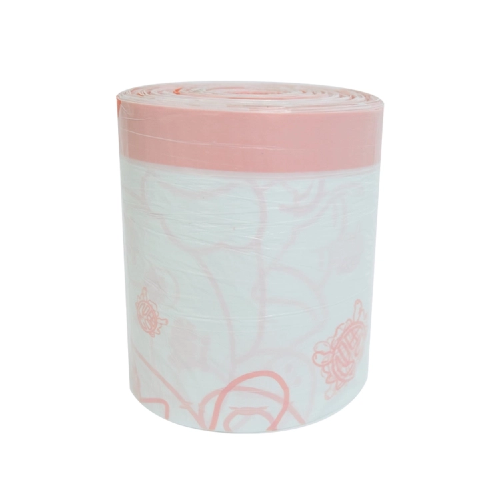
Wet waste, especially food scraps, contains a significant amount of moisture. Using the wrong garbage bag can result in leaks, which not only cause a mess but also increase the risk of contamination and odors. Choosing a leak-proof, heavy-duty bag ensures that wet refuse remains contained and does not create a mess.
Using a high-quality garbage bag for wet waste reduces the chances of bag failure, which can disrupt waste management. When bags tear or leak, it creates additional work for waste handlers and increases the risk of waste spilling over.
Wet waste can quickly begin to decompose, which makes it more likely to generate unpleasant odors and attract pests. The right garbage bag ensures that wet waste is securely contained, minimizing the risk of contamination and maintaining a clean, sanitary environment.
When choosing a garbage bag for wet waste, it's important to select one made from durable materials. HDPE and LLDPE are commonly used for heavy-duty bags, as they provide strength and puncture resistance. For those looking for eco-friendly options, biodegradable materials such as PLA + PBAT are available.
Selecting the right size garbage bag for wet waste is important to prevent overloading. A bag that's too small will easily tear, while a bag that's too large may not contain the waste effectively. Choose a bag that fits your waste bin comfortably while leaving a little extra space for sealing.
Thicker bags are generally more durable and better equipped to hold wet waste without tearing. If you anticipate dealing with wet waste regularly, opt for bags with higher thickness, often measured in mils (thousandths of an inch). Typically, bags with a thickness of 1.5 mil or more are recommended for wet waste.
The type of seal on the garbage bag is crucial for preventing leaks. Choose bags with secure seals, such as zip-lock closures or ties, which help ensure the bag remains intact and prevent leaks during transport or disposal.
In conclusion, Garbage Bags are essential for effectively managing wet waste. Regular bags may not be durable enough to handle moisture or resist punctures, which can lead to leaks and sanitation issues. By choosing the right type of garbage bag—such as heavy-duty bags, leak-proof options, or eco-friendly alternatives—you can ensure that wet waste remains securely contained, preventing leaks, odors, and contamination. The proper garbage bag not only makes waste management more convenient but also helps maintain a clean and safe environment, both in businesses and households.
For businesses and individuals looking for reliable and customizable garbage bags, Zhucheng Qingyuan Packaging Co., Ltd offers a range of high-quality options designed to meet the unique needs of waste disposal. Whether you're seeking bags for wet waste, eco-friendly solutions, or heavy-duty performance, their team is ready to help you find the perfect packaging solution. Contact them today to explore their durable, leak-proof, and sustainable garbage bags, and take a step towards more efficient waste management.
Q1: Can I use regular garbage bags for wet waste?
A: While regular garbage bags can hold small amounts of wet waste, they may not be strong enough to handle large quantities of moisture. For wet waste, it's better to use heavy-duty or leak-proof garbage bags designed to withstand moisture and weight.
Q2: What are the best materials for garbage bags to handle wet waste?
A: The best materials for wet waste include HDPE (High-Density Polyethylene) and LLDPE (Linear Low-Density Polyethylene), which offer durability, puncture resistance, and leak-proof qualities. Biodegradable options are also available for eco-conscious consumers.
Q3: How do I prevent leaks when using garbage bags for wet waste?
A: To prevent leaks, use bags with leak-proof designs, such as double-sealed edges or bags made with moisture-resistant coatings. These features ensure that liquids stay contained and do not seep out.
Q4: Are eco-friendly garbage bags good for wet waste?
A: Yes, many eco-friendly garbage bags made from biodegradable materials like PLA + PBAT are strong enough to handle wet waste. They are a great choice for environmentally conscious users who need reliable waste bags for wet refuse.
Q5: How do I choose the right size garbage bag for wet waste?
A: Choose a garbage bag that fits your bin size comfortably while leaving a bit of extra room for sealing. Avoid bags that are too small, as they may tear, and don't choose bags that are too large, as they may not contain the waste securely.


