


Views: Author: Site Editor Publish Time: 2026-03-09 Origin: Site


Yes—Adhesive Tape can stick to metal, and in many cases it bonds extremely well. Metal surfaces such as stainless steel, aluminum, galvanized sheet, and painted metal are common in warehouses, factories, HVAC systems, construction sites, and packaging lines. The key challenge is that real-world metal is rarely “perfect”: oils, dust, oxidation, moisture, and temperature swings can reduce bonding strength. To get reliable results, you need to match the adhesive chemistry and tape backing to the metal surface and the environment, then apply the tape correctly and allow it to build full bond strength.
Clean metal generally has high surface energy, which means adhesives can wet out (spread) and form strong contact. When tape wets out properly, it creates many microscopic contact points that contribute to solid bonding. That’s why Adhesive Tape is widely used for metal labeling, bundling, temporary fixing, shielding, and even certain maintenance tasks. In controlled conditions—clean surface, moderate temperature, firm pressure—many common tapes can stick to metal effectively.
Most failures come from the surface or the environment rather than the tape itself. Oils from machining or fingerprints, dust, rust, and moisture can act like a barrier between the adhesive and the metal. Environmental stress also matters: very cold temperatures make adhesives less tacky, high heat can soften adhesives and cause slipping, and UV exposure can degrade some backings over time. If tape “won’t stick,” the first step is usually cleaning and evaluating temperature—not immediately switching to a different tape.
The adhesive type is a major factor in performance on metal. Acrylic adhesives are known for strong aging resistance, better UV stability, and good performance across a wide temperature range, making them a common choice for long-term bonding on metal. Rubber-based adhesives often provide high initial tack (fast stick) and work well for quick packaging or temporary holding, but they can be less UV/heat resistant over long periods. Silicone adhesives are specialized and excel in extreme temperatures or challenging surfaces, but they are typically more expensive and used for niche industrial needs.
Backing choice controls conformability, durability, and environmental resistance. BOPP packing tape is common for general use but may not be ideal for hot metal or rough industrial environments. PVC tape is more flexible and can conform better to curved metal surfaces. Cloth tape can grip irregular surfaces and withstand abrasion, making it useful for temporary fixes. Foil tape is frequently used in HVAC and metal ducting because it conforms well and often handles heat better than standard packaging tapes. For mounting signs, nameplates, or trims on metal, double-sided adhesive tape is often preferred because it provides full-surface bonding and a cleaner appearance.
Not all metal surfaces behave the same. Smooth stainless steel typically bonds well when clean. Brushed or textured metal increases surface area but can trap contamination, so cleaning is even more important. Painted and powder-coated metal can vary widely depending on coating chemistry, hardness, and texture—some coatings accept adhesives easily, while others cause lifting. A practical approach is to treat coatings as “new surfaces” and always test tape on the exact coated metal you will use, especially for long-term applications.
Tape that works indoors may fail outdoors if it faces rain, sunlight, and temperature cycling. High humidity and condensation can reduce adhesion at the edges, while UV can degrade certain backings and adhesive systems over time. Temperature is critical at the moment of application: many Adhesive Tape types bond best when applied at moderate temperatures with enough dwell time to build strength. For outdoor or high-heat metal surfaces, you typically want UV-resistant backing and an adhesive designed for higher service temperatures.
Surface prep is often the difference between a strong bond and a frustrating failure. Remove dust, then wipe with an appropriate degreaser—commonly isopropyl alcohol for many applications—until no residue remains. Let the surface fully dry before applying tape. Even a thin layer of oil or moisture can prevent the adhesive from wetting out, especially on smooth metal where the tape has fewer mechanical “anchors.”
Apply tape with firm, even pressure to push adhesive into contact with the metal. Avoid trapping air bubbles, and ensure the edges are well pressed down—edge lift is a common failure mode. Many tapes increase bonding strength over time as the adhesive flows and sets; this is called dwell time. If you test immediately after application, the bond may seem weak even though it will become much stronger after hours or a full day, depending on the adhesive type and conditions.
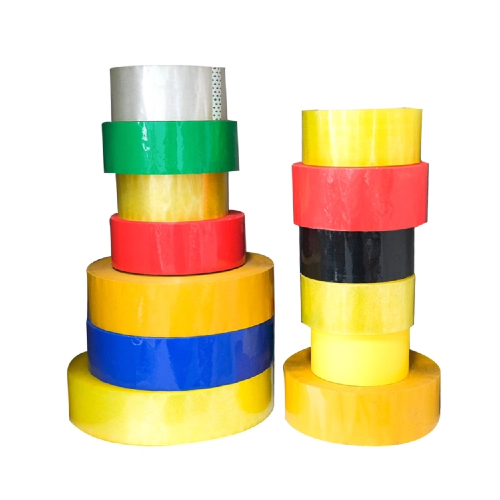
In warehouses, Adhesive Tape is often used on or around metal surfaces: sealing cartons placed on metal tables, bundling metal parts, or temporarily securing items to metal shelving. In these cases, rubber-based packing tapes can work well due to quick stick, but performance can drop if the metal surface is oily or cold. For heavier bundles or rough handling, stronger backing and higher holding power may be needed.
For HVAC ducts and metal joints, foil tape is frequently chosen because it conforms well and can handle warmer environments. For temporary repairs, cloth tapes may be used where abrasion resistance matters. For mounting labels, plates, or signs on metal, double-sided tapes provide cleaner aesthetics and stronger surface bonding. The best tape depends on whether you need removability, long-term durability, heat resistance, or clean appearance.
Before ordering in bulk, run simple tests on your actual metal surface. Apply tape, press firmly, and check peel resistance after a set dwell time. For holding power, hang a small weight to see whether the tape creeps or slips (basic shear test). If your application faces heat or cold, place the taped sample in the expected temperature range and inspect for edge lifting, slipping, or adhesive failure. These simple trials reveal problems early and cost far less than field failures.
When comparing tape options, ask suppliers about adhesion to steel, holding power, temperature range, and whether the adhesive is designed for clean removal. Some applications require strong permanent bonding; others need tape that removes without leaving residue or damaging coatings. Also consider whether your process requires hand tearability, quiet unwind, or specific roll sizes for dispensers.
For clean indoor stainless steel or aluminum, many acrylic or high-quality rubber tapes work well. For galvanized metal with potential surface oils, cleaning and testing are essential, and a more aggressive adhesive may help. For painted or powder-coated metal, always sample-test because coatings vary. For outdoor metal, prioritize UV-resistant backing and adhesives designed for weather and temperature cycling.
Industrial buyers often customize Adhesive Tape to match workflow needs: wider tape for faster sealing, thicker tape for better holding power, color coding for sorting, printed tape for branding or warnings, and jumbo rolls for efficient converting. Choosing the right format can reduce labor time and improve consistency in high-volume operations.
Usually not well. Oil prevents proper wet-out and reduces bonding strength. Degrease the metal first, then apply tape to a fully dry surface for best results.
Clean removability depends on adhesive formulation and dwell time. Some acrylic-based tapes are designed for cleaner removal, but always test on your metal finish—especially painted or powder-coated surfaces.
Many tapes build strength over time. Immediate tack may be strong, but full bond typically improves after hours and can continue strengthening up to 24–72 hours depending on adhesive type and conditions.
Yes, with the right tape. Choose weather-resistant, UV-stable options and ensure strong edge sealing. Outdoor performance should be verified with temperature and moisture exposure testing before large-scale use.
Adhesive Tape can stick to metal reliably when the surface is clean, the adhesive chemistry is matched to the environment, and the tape is applied with proper pressure and dwell time. By selecting the correct backing and adhesive type—and validating performance through quick in-house tests—businesses can achieve strong, consistent bonding on a wide range of metal surfaces.


